



Yüksek katılı akrilik reçineler, kaplama teknolojisinde düşük organik uçucu bileşen (VOC) emisyonu ile yüksek performansı aynı sistem içinde birleştiren gelişmiş bağlayıcılardır. Genellikle %70–85 aralığında katı madde içeriğine sahip bu reçineler, klasik solvent bazlı akrilik sistemlere kıyasla daha düşük solvent kullanımıyla benzer ya da üstün film özellikleri sunacak şekilde formüle edilebilirler.
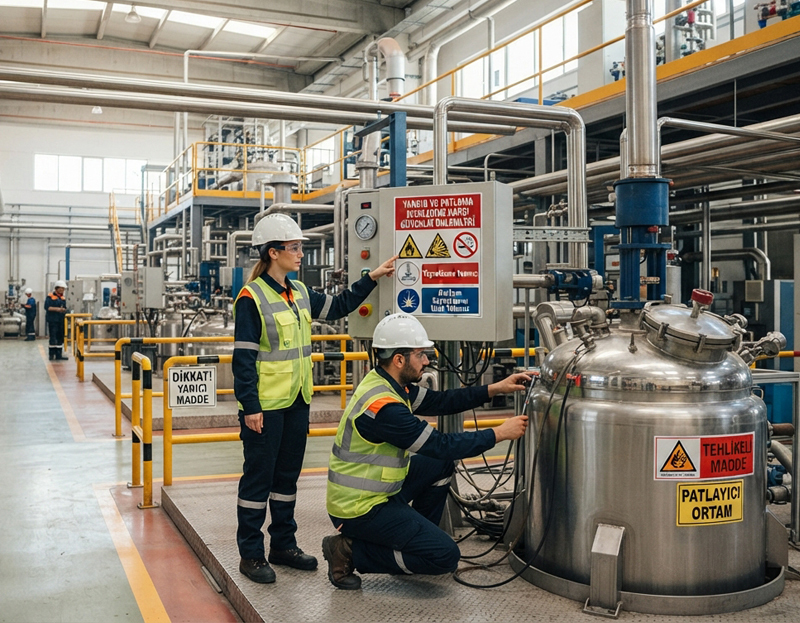
Yüksek katılı akrilik reçineler, çoğunlukla 110–160 °C aralığında peroksit başlatıcılı serbest radikal çözelti polimerizasyonu ile sentezlenir. Bu tip ürünlerde hedef molekül ağırlığı 3.000–10.000 g/mol olup bu aralık, düşük viskozite avantajı sağlarken fonksiyonel monomerler aracılığıyla mekanik ve kimyasal performansın korunmasına olanak tanır. Molekül ağırlığı ve dağılımı, dozajlamalı monomer ilavesi ve kontrollü sıcaklık ile optimize edilebilir. Metil metakrilat sertlik, parlaklık ve dış hava dayanımı sağlarken; bütil ve 2‑etilhekzil akrilat esneklik, film oluşumu ve reoloji üzerinde etkilidir. Stiren sertlik ve kimyasal direnç katkısı sunarken maliyet optimizasyonu sağlar. Hidroksil fonksiyonlu metakrilatlar adezyon, reolojik denge ve çapraz bağlanabilirliği artırırken; akrilik asit dispersiyon stabilitesini, glisidil metakrilat ise epoksi fonksiyonelliği sayesinde kimyasal modifikasyon ve post‑çapraz bağlanmayı destekler. Hammaddeler dışında reaktörün basınca dayanıklı olup olmaması da bu tür reçinelerin sentezi için önemlidir.
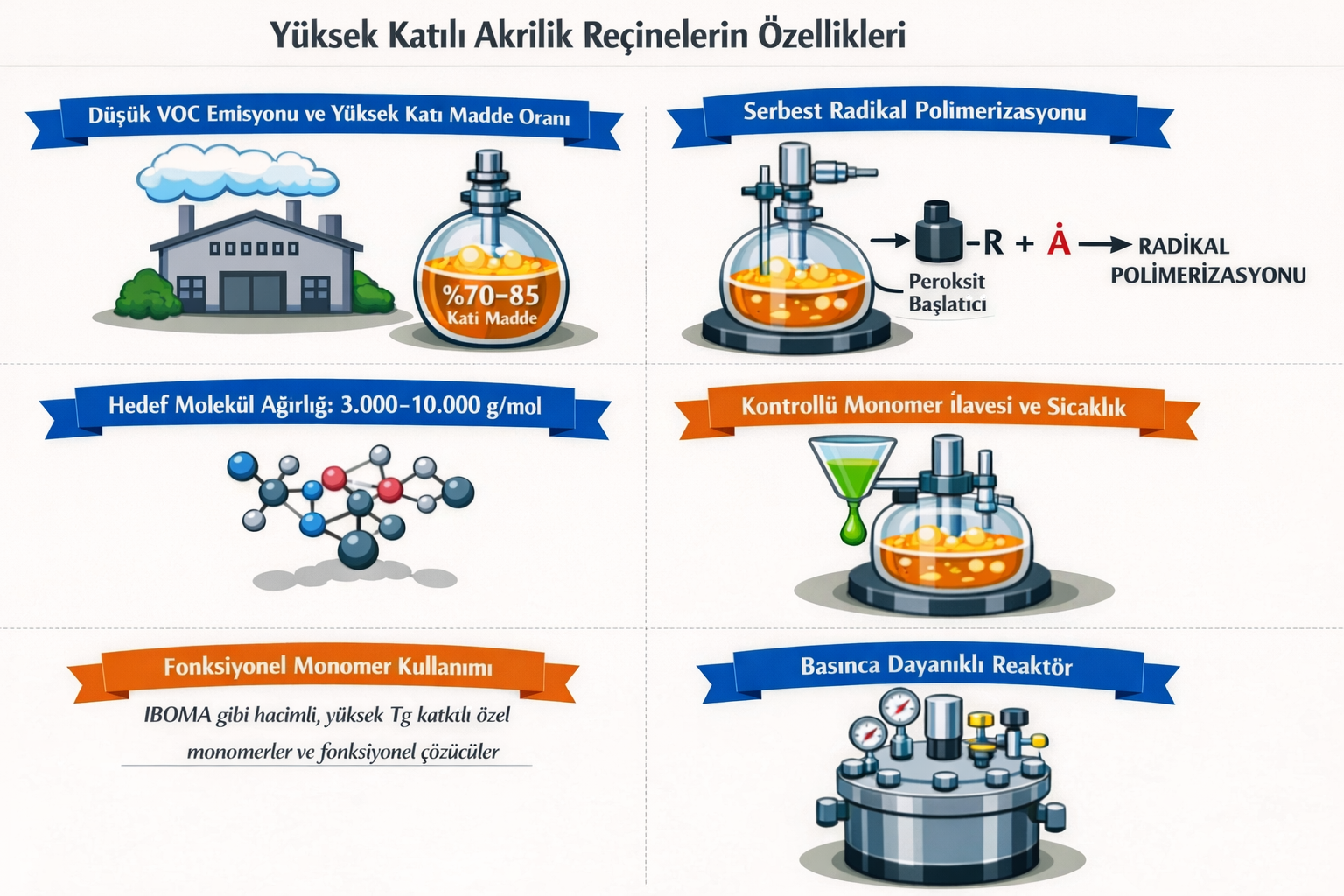
Bu sistemlerde temel tasarım yaklaşımı, düşük molekül ağırlığına rağmen yeterli polimer zinciri etkileşiminin korunmasıdır; bu sayede hem düşük viskozite hem de yüksek mekanik performans elde edilir. Rastgele kopolimer yapıya sahip yüksek katılı akrilik reçinelerde monomer kompozisyonu, cam geçiş sıcaklığını (Tg), zincirler arası etkileşimleri ve çözünürlük özelliklerini belirler. Dolayısıyla formülasyon kurgusunda molekül ağırlığı, Tg ve viskozite dengesine dikkat edilmelidir.
...
Synthesis of High Solids Acrylic Resins: Structural Design and Differences from Conventional Systems
High solids acrylic resins are advanced binders that combine high performance with low volatile organic compound (VOC) emissions within a single coating system. Typically featuring a solid content in the range of 70–85%, these resins are designed to deliver comparable or superior film properties to conventional solvent-borne acrylic systems while using significantly lower amounts of solvent.
High solids acrylic resins are generally synthesized via free-radical solution polymerization initiated by peroxides, carried out at temperatures between 110 and 160 °C. The typical target molecular weight ranges from 3.000 to 10.000 g/mol, a window that provides low-viscosity advantages while maintaining mechanical and chemical performance through the incorporation of functional monomers. Molecular weight and molecular weight distribution are carefully engineered by controlled monomer feeding strategies and precise temperature regulation. Methyl methacrylate contributes to hardness, gloss, and exterior durability, while butyl acrylate and 2‑ethylhexyl acrylate enhance flexibility, film formation, and rheological behavior. Styrene provides increased hardness and chemical resistance while also enabling cost optimization. Hydroxyl-functional methacrylates improve adhesion, rheological balance, and crosslinking capability, whereas acrylic acid enhances dispersion stability. Glycidyl methacrylate, through its epoxy functionality, supports chemical modification and post-crosslinking reactions. In addition to raw material selection, the use of a pressure-resistant reactor system is a critical factor in the successful synthesis of high solids acrylic resins.
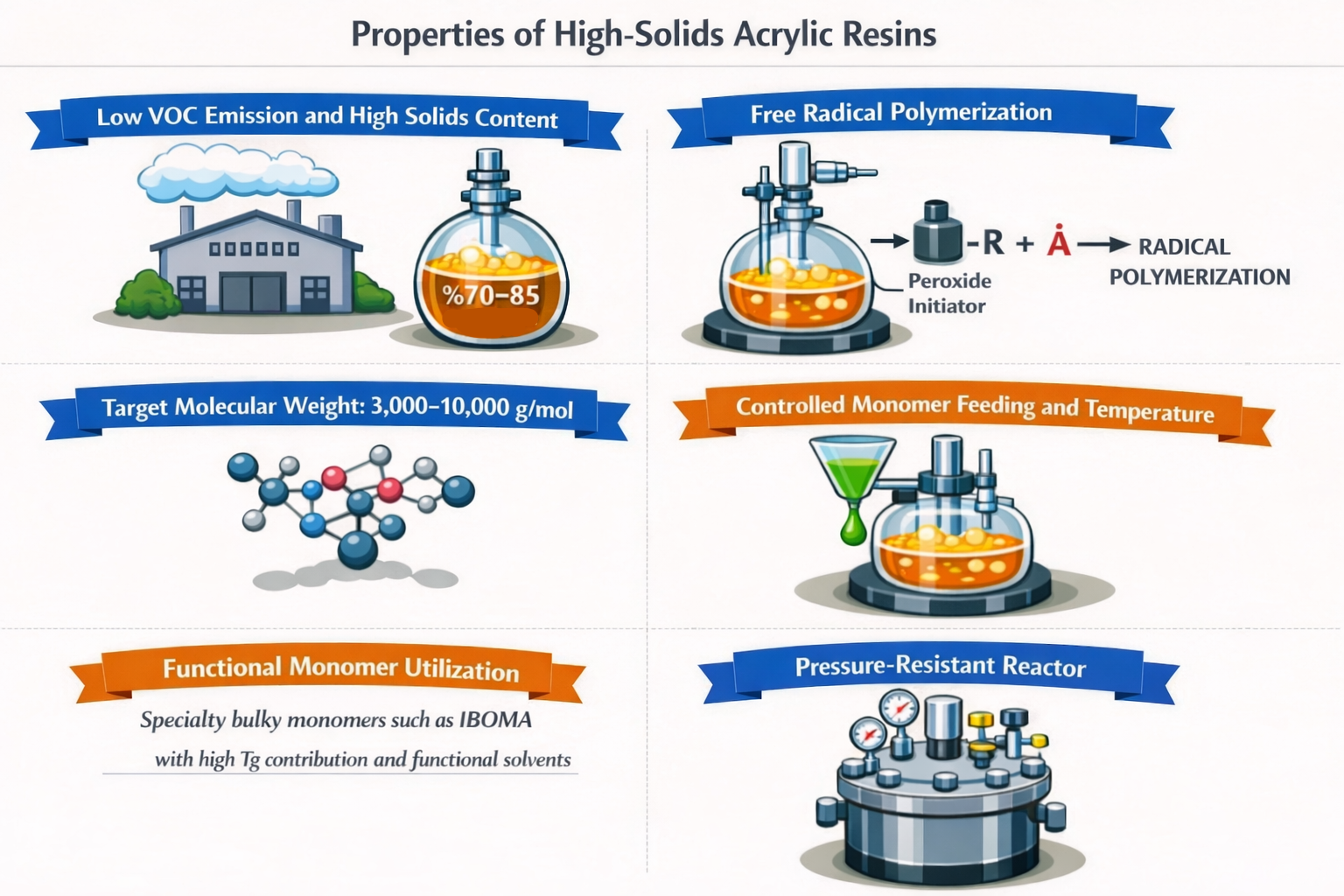 Figure 1. Properties of high solids acrylic resins
In these systems, the fundamental design approach is to maintain sufficient polymer chain interactions despite the relatively low molecular weight; this strategy enables the simultaneous achievement of low viscosity and high mechanical performance. In high solids acrylic resins with a random copolymer architecture, the monomer composition governs the glass transition temperature (Tg), interchain interactions, and solubility characteristics of the polymer system. Therefore, in formulation design, careful attention must be paid to the balance between molecular weight, Tg, and viscosity.